


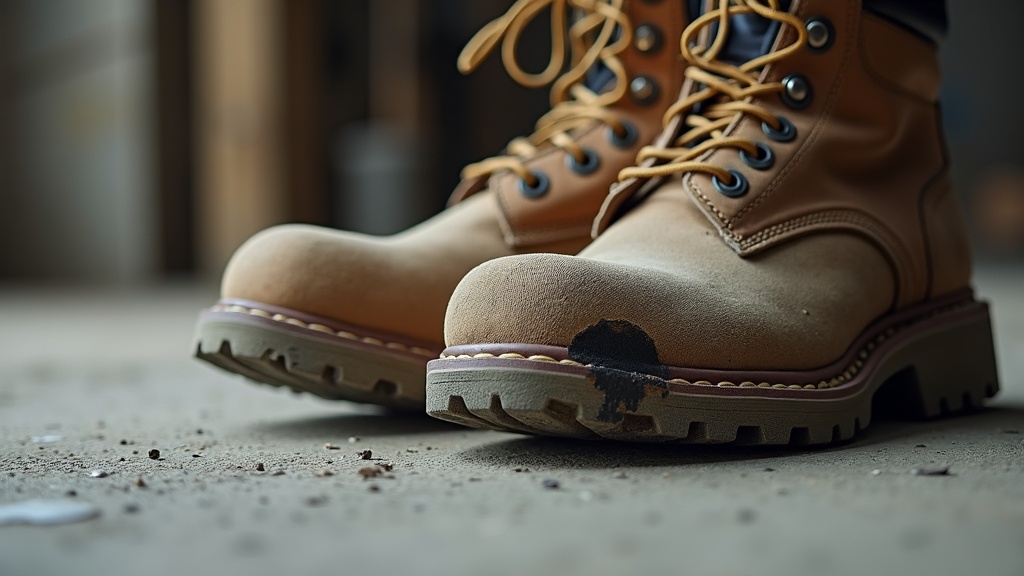
You buy a six-pack of work socks, and three weeks later you've got holes at the heel, a toe poking through, and the rest bunched down around your ankle inside your boot. It's not bad luck. There's a reason it keeps happening, and it's fixable.
Short answer: Work socks fall apart fast because of cheap, cotton-rich materials, no reinforcement at the heel and toe, hot washing and drying, and wearing the same pair every day. Buy a nylon blend with a reinforced heel and toe, rotate pairs, and wash cool.
Most guys just grab whatever's cheapest at the store and call it done. That's the first mistake. Here's what's actually going on, and what to do about it.
Key points at a glance
- Cheap polyester and thin knit construction are the main reason work socks wear out in weeks.
- Holes appear at the heel and toe first because that's where friction and pressure concentrate inside a boot.
- Hot water washing and high-heat drying break down elastic fibers fast, shortening sock life dramatically.
- Socks falling down in boots usually means the elastic is already dead, not that the sock is "stretchy."
- A quality pair of work socks made with merino wool or reinforced nylon can last one to three years with proper care.
- Not all "heavy-duty" labels mean anything. Fiber content, cushion zone placement, and knit density are what actually matter.
What a real work sock does for you
In this guide
- The Real Reason Your Work Socks Give Out in Weeks
- Cheap Materials: What They Don't Tell You on the Label
- The Five Ways a Work Sock Actually Dies (And Which One Is Killing Yours)
- How Your Laundry Routine Is Speeding Up the Damage
- Why Your Socks Keep Falling Down in Your Boots
- How Long Should a Good Pair of Work Socks Actually Last
- What to Look for in a Work Sock That Holds Up
- What to Buy Instead (And What to Skip)
- MASON Work Socks Built to Hold Up
- Make Your Socks Last: A Simple Action Plan
- Frequently asked questions
The Real Reason Your Work Socks Give Out in Weeks
The short answer is that most work socks aren't actually built for work. They're built to look thick on a store shelf and feel fine the first time you put them on.
Inside a work boot, conditions are brutal. Constant friction, compression, sweat, heat, and repetitive flexing hit the sock every single hour you're on the clock. A sock knitted from low-grade yarn with minimal reinforcement will start breaking down at the stress points almost immediately.
Cheap Materials: What They Don't Tell You on the Label
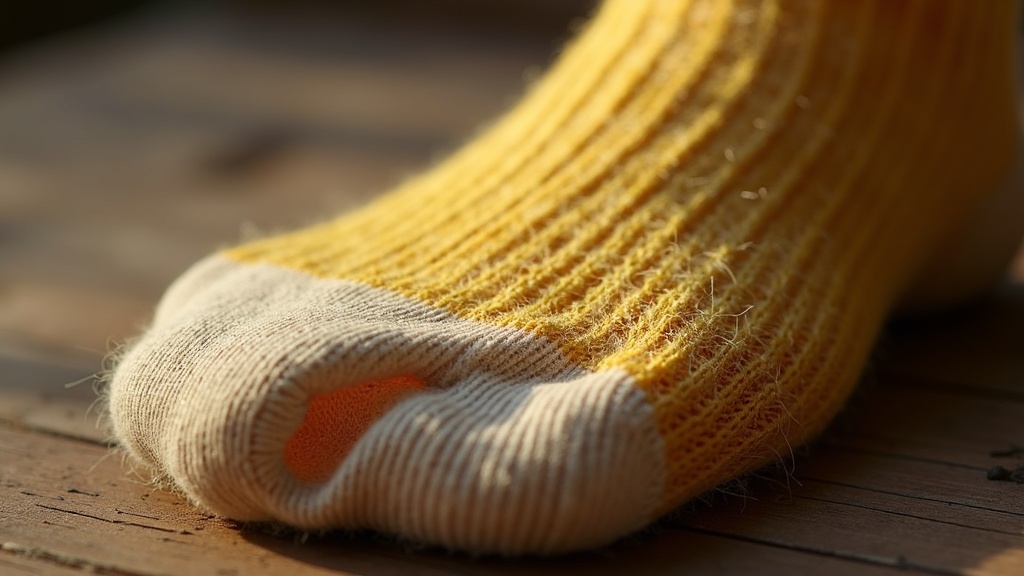
"Cotton blend" sounds harmless. In practice, it often means a thin polyester-cotton mix with no reinforcement at the high-wear zones. Cotton holds moisture, weakens when wet, and wears through fast under friction.
Cheap elastic waistbands and cuffs lose their snap after a dozen washes. The yarn itself pills, thins out, and eventually gives way. You're not imagining it when it feels like the socks got thinner after a few weeks. They did.
The Five Ways a Work Sock Actually Dies (And Which One Is Killing Yours)
- Abrasion wear: The boot lining grinds against the sock on every step. Low-thread-count fabric gives out at the toe and heel in days.
- Moisture breakdown: Cotton holds sweat against the fiber, weakening it from the inside out. This is why your heel wears through faster in summer.
- Elastic failure: The cuff loses tension first. The sock slides, bunches, and starts rubbing your foot in spots it shouldn't.
- Seam stress: Cheap toe seams can't handle the flexing. They split, and then the hole spreads from there.
- Wash damage: Heat from the dryer degrades elastic and breaks down synthetic fibers faster than wear alone.
How Your Laundry Routine Is Speeding Up the Damage
Hot water loosens the fiber structure and shrinks the knit unevenly. High-heat drying is even worse: it melts the elastic fibers that hold the sock's shape and crushes the cushioning down to almost nothing.
Wash in cold or warm water. Air dry when you can, or use low heat. It sounds simple because it is, and it can double the life of even a mid-grade sock.
Why Your Socks Keep Falling Down in Your Boots
If your sock is sliding down and bunching under your arch before lunch, the elastic in the cuff is already gone. This usually happens within ten to fifteen washes of a cheap sock.
A boot also compresses the cuff differently than a sneaker. The taller the boot, the more force is pulling the sock downward as you flex your ankle. You need a sock with a wide, reinforced cuff and graduated compression in the leg, not just a thin elastic band stitched at the top.
How Long Should a Good Pair of Work Socks Actually Last
A quality pair, washed properly, should last one to three years of regular daily wear. Some merino wool socks from reputable brands hold up even longer with rotation.
If your socks are done in under three months, that's not normal wear and tear. That's a materials problem, a care problem, or both.
What to Look for in a Work Sock That Holds Up
Fiber content comes first
Look for merino wool, nylon, or a high-nylon blend. Merino manages moisture and temperature. Nylon adds tensile strength at the wear zones. Avoid anything that's mostly cotton if you're wearing it in a heavy boot all day.
Reinforced zones matter more than overall thickness
Heel and toe reinforcement are non-negotiable. A sock can be medium thickness overall and still last years if those two zones are built with tighter, denser knit or added nylon.
Cushion placement
Full-cushion socks can feel great but trap heat. For most jobsite work, a targeted cushion at the ball and heel gives you protection without turning your boot into a sauna.
| Material | Durability | Moisture Control | Best For |
|---|---|---|---|
| Merino Wool | Excellent | Excellent | All-day wear, any season |
| Nylon blend | Very good | Good | Heavy abrasion, reinforced zones |
| Cotton blend | Poor | Poor (holds moisture) | Light, dry conditions only |
| Polyester | Fair | Fair | Budget option, not for boots |
| Merino + Nylon | Outstanding | Excellent | The gold standard for work boots |
What to Buy Instead (And What to Skip)
Buy socks built for boots: a blend with nylon for strength, reinforced heel and toe, cushioning under the heel and ball, and a snug arch band so the sock doesn't slide and grind through. Skip bulk packs of thin, cotton-rich "work socks": pull the fabric and you can often see right through it.
MASON Work Socks Built to Hold Up
MASON, the work sock brand, makes Tradesman Socks (8 in) and Tradesman Boot Socks (13 in) from 56% bamboo lyocell, 38% nylon and 6% spandex, with Cloud Cushioning under the heel and ball of the foot and an Arch Strap that stops the sock bunching. Buy enough for a rotation, so no pair gets worn two days running: see the sock packs.
Make Your Socks Last: A Simple Action Plan
- Wash cold, dry low or air dry. That one change alone can double your sock's useful life.
- Rotate at least three pairs per week so no single pair gets worn and washed back-to-back daily.
- Check the cuff fit before you buy. If the sock doesn't grip your calf firmly out of the package, the elastic is already marginal.
- Replace proactively. A thinning heel isn't a worn-out sock yet, but it will be a blister in two weeks. Don't wait for the hole.
Made in the USA: Darn Tough Vermont socks are made in Vermont from merino wool and nylon, with a lifetime guarantee. Wigwam is another American-made sock brand, with over a century of production.
Frequently asked questions
Why do my work socks always get holes at the heel and toe first?
How long should a good pair of work socks actually last?
Why do my socks keep falling down inside my work boots?
Is merino wool really better than cotton for work socks?
Can washing habits really affect how fast work socks wear out?
Want more workwear guides like this in your Google results? Add trymasonco.com as a preferred source.
Next, see how to darn work socks.
