

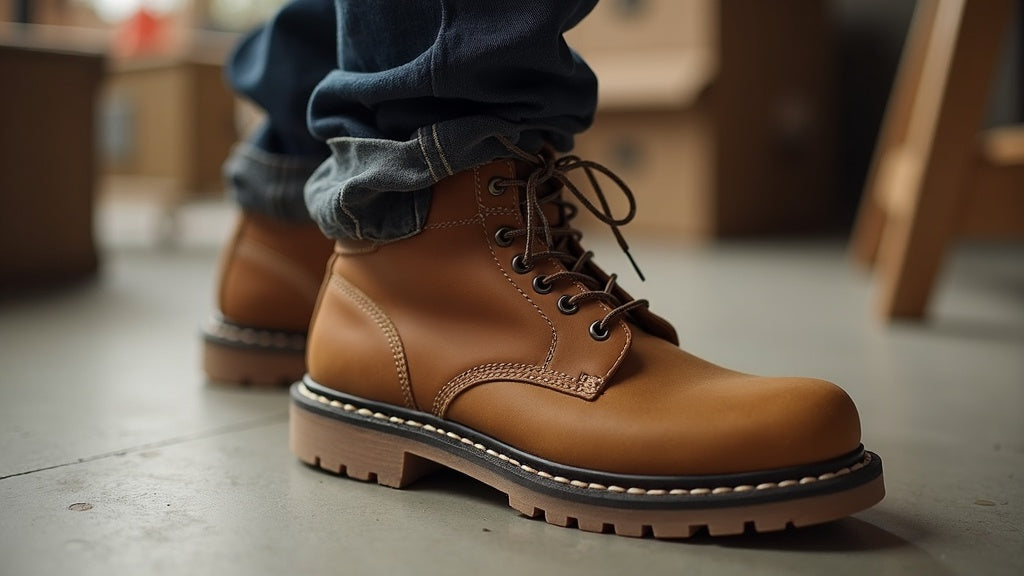
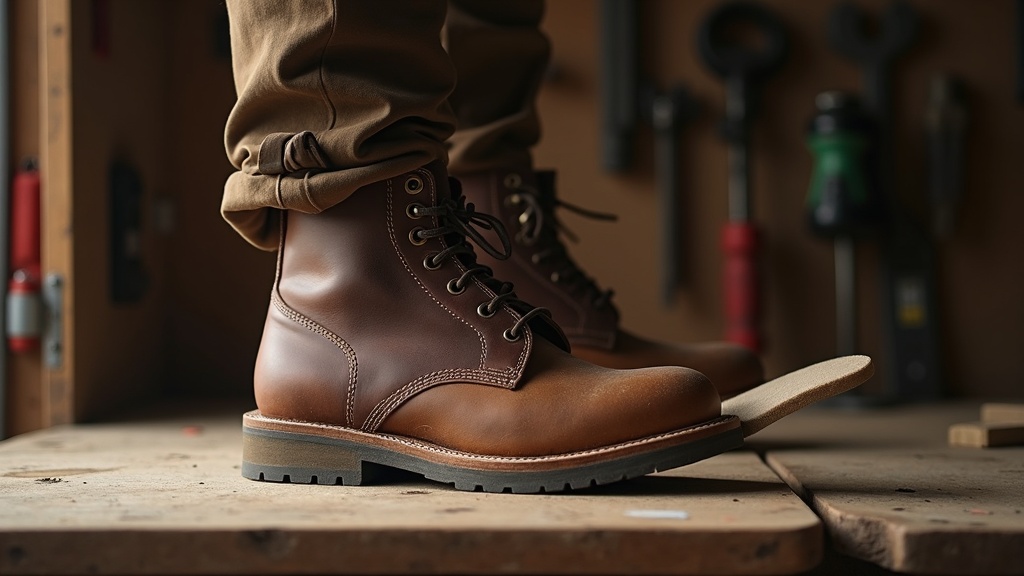
By the time you pull your boots off at 5 PM, your feet feel like you've been standing on concrete slabs. You have been. And the thin foam that came stock in your boots stopped doing anything useful around week three.
Short answer: Thick insoles help when you stand on hard floors all day or your boots are slightly too big, as long as they have a supportive base and don't crowd your toes. Pick dense foam or gel for shock absorption with a contoured arch, and skip thick insoles in tight or steel-toe boots.
Thick insoles for boots are one of the cheapest, fastest fixes a working man can make. But grab the wrong ones and you'll either blow out the heel in two months or end up with boots so tight they cut off circulation. Here's what you need to know before you spend a dime.
Key points at a glance
- Foam and gel insoles solve different problems. Knowing which is which saves you money.
- Thicker is not always better. Past a certain point, you lose fit and support.
- If your boots run big, a thick insole is a legitimate fix, not a workaround.
- Cowboy boots need a specific profile. Standard insoles will wreck the fit.
What a good thick insole actually does for you
In this guide
- Why Your Feet Are Shot by Quitting Time (And What's Actually Causing It)
- What 'Thick' Really Means: Foam, Gel, and What Each One Does
- Are Thicker Insoles Actually Better? The Honest Answer
- How to Pick the Right Thick Insole for Your Boot Type
- Thick Insoles When Your Boots Run Too Big
- Top Picks for Thick Work Boot Insoles: What to Choose
- What to Watch Out For Before You Buy
- How Long Should a Good Insole Last on the Job?
- Frequently asked questions
Why Your Feet Are Shot by Quitting Time (And What's Actually Causing It)
Most work boots are built for durability, not comfort. The factory insole is an afterthought: a thin slab of EVA foam that compresses to near nothing within a few weeks of daily use.
Once that foam bottoms out, you're basically standing on the boot's internal platform. That transfers shock directly up through your heel, ankle, and knee. Over a full shift, that adds up fast.
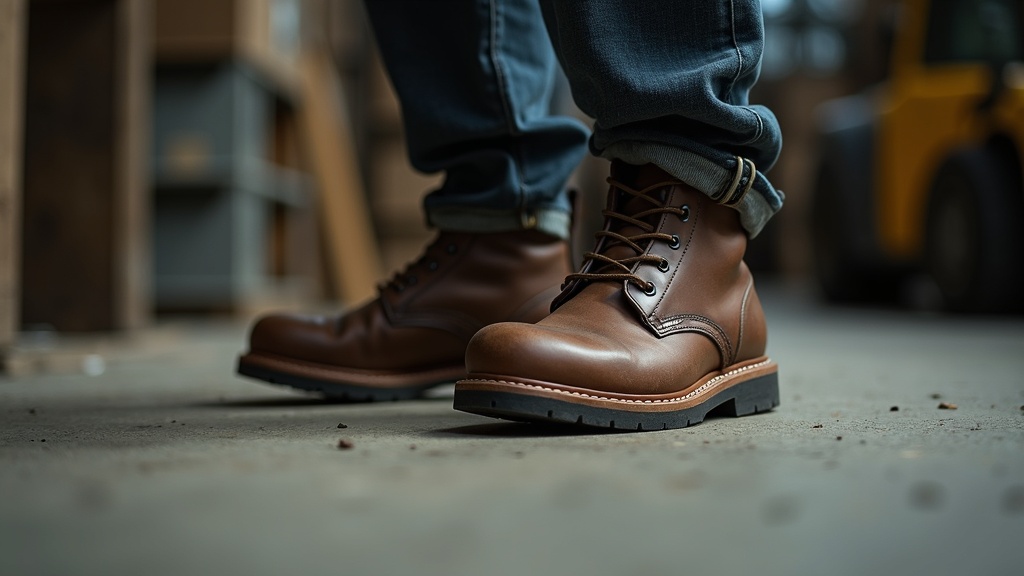
Plantar fasciitis, heel spurs, shin splints, these aren't just athlete problems. They're what happens when a guy stands ten hours a day on bad support for months straight. The fix is often simpler than people think.
Read also: Best Work Boots for Walking All Day: Comfort and Support Guide
What 'Thick' Really Means: Foam, Gel, and What Each One Does
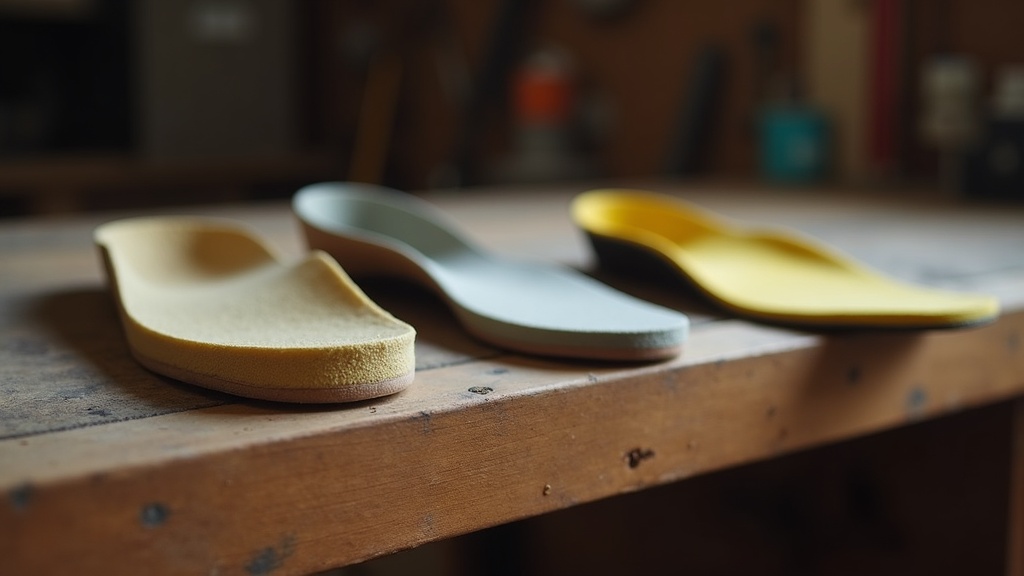
Not all thick insoles are built the same. The material determines what problem it actually solves.
EVA Foam
Lightweight and cheap. Good general cushioning but compresses over time. Fine for lighter-duty work. Not what you want if you're putting in 50-hour weeks on a slab.
Memory Foam
Molds to the shape of your foot. Comfortable for standing but slow to rebound, so it can feel mushy on long shifts. Often combined with a firmer base layer in better insoles.
Gel (Extra Thick Gel Insoles)
Handles impact and vibration better than foam. Extra thick gel insoles work well in boots where you're on hard floors, operating machinery, or on your feet for 10-plus hours. They hold their shape longer than foam alone.
Polyurethane (PU) Foam
Denser than standard EVA. Common in heavy duty work boot insoles because it resists compression better and lasts longer under real load.
Are Thicker Insoles Actually Better? The Honest Answer
Up to a point, yes. More cushioning material means more impact absorption. But there's a ceiling.
Go too thick and you raise your foot inside the boot. That changes how the heel cup holds you, throws off your ankle stability, and can create pressure points at the top of the foot where the boot closes down. A 6mm to 8mm insole is a solid sweet spot for most work boot setups.
The best thick cushion insoles combine cushioning with structure. A deep heel cup and a firm arch support channel hold your foot in position so the cushioning actually does its job, rather than letting your foot roll and slide around on a soft platform.
How to Pick the Right Thick Insole for Your Boot Type
Boot construction changes what insole works. One size does not fit all.
- Standard lace-up work boots: Most aftermarket insoles are designed around this format. Full-length insoles with heel cups work well here.
- Steel-toe boots: The toe box is already tight. Check the width rating on your insole. A thick insole that runs wide can compress your toes against the cap.
- Cowboy boots: Thick insoles for cowboy boots need a tapered toe profile and a low heel ramp. A standard rectangular insole will bunch up at the front and kill the fit. Look for insoles cut specifically for western boots.
- Rubber-sole waterproof boots: These already run warmer. Prioritize moisture-wicking top fabric on the insole, not just cushion.
Thick Insoles When Your Boots Run Too Big
Half a size too big is a real problem. Your heel lifts with every step, which causes blisters, Achilles irritation, and faster boot wear. A thick insole is one of the most practical fixes.
For thick insoles for boots too big, go with a full-length insole that also has volume in the heel cup. This fills the dead space under your foot and behind your heel at the same time. If the boot is a full size big, pair the insole with a thicker work sock to complete the fit.
Read also: How to Prevent Foot Pain at Work: 5 Methods That Help
Top Picks for Thick Work Boot Insoles: What to Choose
- Hard floors all day: a thick, dense foam or gel heel over a supportive base.
- Boots a little too big: a thicker full-length insole that takes up volume and stops the heel slipping.
- Arch pain: a thick insole with a contoured arch, not flat foam.
- Tight or steel-toe boots: skip thick insoles at the forefoot; your toes need room under the cap.
What to Watch Out For Before You Buy
A few things that'll save you from returning a pair after one day.
- Check the trim line. Most insoles come in size ranges and need to be cut to fit. Use your factory insole as a template, not the boot itself.
- Moisture-wicking fabric matters. A thick insole that gets soaked and stays wet is a blister machine. Look for perforated tops or moisture-wicking materials if you sweat heavily or work in wet conditions.
- Don't stack insoles. Removing the factory insole before putting in your new one is almost always the right move. Stacking two insoles raises your foot too high and usually ruins the fit.
- Heel cup depth. Shallow heel cups feel fine in the store and terrible after four hours. Look for a heel cup at least 10mm deep if you're dealing with heel pain.
How Long Should a Good Insole Last on the Job?
It depends on the material, your weight and your hours on your feet. Replace insoles when the heel stays flat when you press it, the arch feels softer, or your feet ache where they didn't before. Rotating two pairs lets each dry out and last longer.
Frequently asked questions
Can I use thick insoles in steel-toe boots without losing toe room?
Are extra thick gel insoles good for standing on concrete all day?
How do I use thick insoles to fix boots that are too big?
Do thick insoles for cowboy boots work the same as regular work boot insoles?
How often should I replace heavy duty work boot insoles?
Should I remove the factory insole before adding a thick aftermarket insole?
Want more workwear guides like this in your Google results? Add trymasonco.com as a preferred source.
Next, see the best cushion insoles for work boots.
