


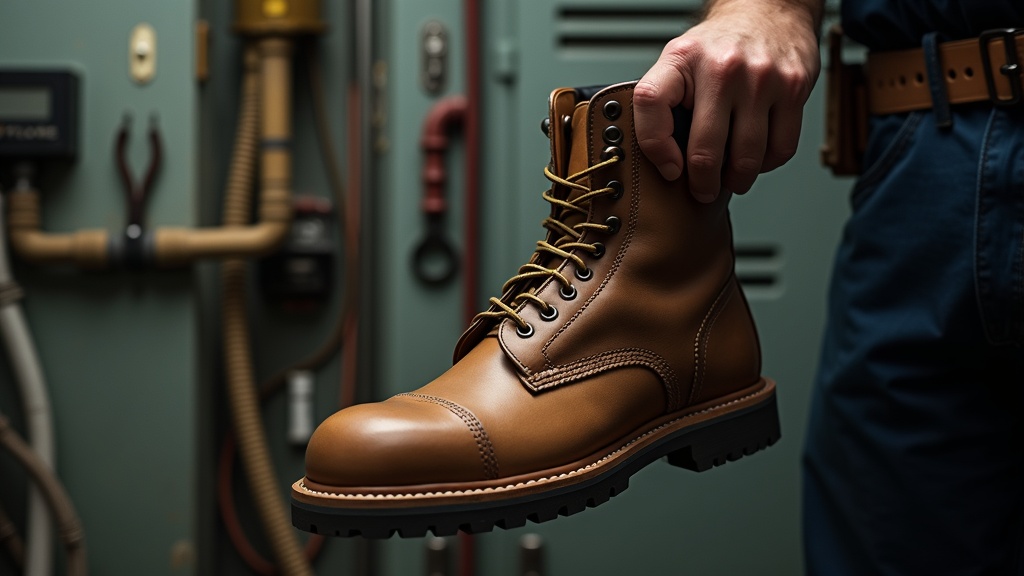
Your boots already feel like a vice grip by noon. Stuffing a thick insole in there doesn't fix your feet, it just makes things worse. Most electricians pick the wrong insole because they pick for cushion instead of profile.
Short answer: The best insoles for electricians in tight boots are thin and low-profile, with a firm arch and a heel cup, and no thicker than the factory insole at the forefoot. Remove the factory liner first and trim the new insole from the toe end. Your boot's EH rating comes from the outsole, not the insole.
This breaks down what actually fits in a tight boot, what supports your arch after ten hours on concrete, and which options real electricians keep going back to.
Key points at a glance
- Thick insoles in tight boots cause more pressure, not less. Profile matters first.
- Low-profile insoles under 4mm thick are the right starting point for snug steel-toe boots.
- Standard insoles are not a shock hazard. Dedicated non-conductive insoles matter only in specific HV situations.
- Plantar fasciitis doesn't require a bulky orthotic. A thin, rigid-arch insole does the job without crowding.
- Always remove the factory insole before adding an aftermarket one.
What a good insole does for you on the job
In this guide
- Why Tight Boots Make Insole Choice So Critical (and Most Guys Get It Wrong)
- What to Look for in an Insole When Space Is Already Tight
- Do Electricians Need Non-Conductive Insoles? Here's the Straight Answer
- The Best Insoles for Electricians in Tight Boots: What to Pick
- MASON Insoles and Socks for Tight Work Boots
- Plantar Fasciitis and Tight Boots: How to Get Support Without Crowding Your Toes
- Should You Even Bother Wearing Insoles in Work Boots?
- How to Make Any Insole Fit a Tight Boot (One Simple Trick Most Skip)
- Spend Smart, Save Your Feet
- Frequently asked questions
Why Tight Boots Make Insole Choice So Critical (and Most Guys Get It Wrong)
A boot that fits right is already using most of its internal volume. Drop a 6mm gel insole in there and your toes get compressed against the cap. That's not comfort, that's a recipe for blisters, numbness, and black toenails by the end of the week.
The mistake is treating insoles like a cure-all cushion instead of a precision tool. In a roomy boot, you have margin for error. In a tight boot, every millimeter counts.
What to Look for in an Insole When Space Is Already Tight
Focus on these four things, in this order:
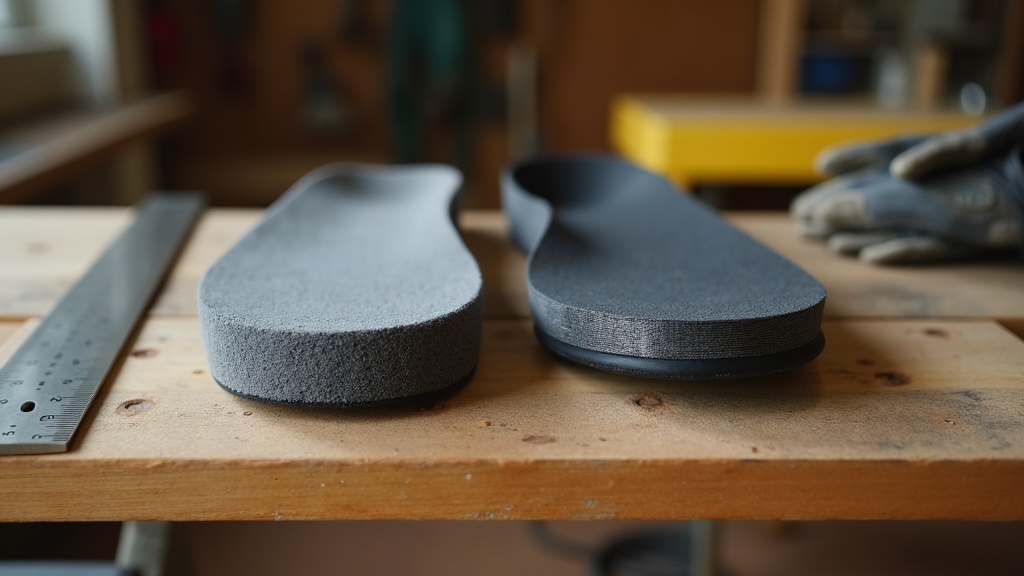
- Thickness under 4mm. If it looks plush in the package, it won't work in a tight boot. Period.
- A rigid or semi-rigid arch. Foam compresses and disappears. A hard arch shell keeps working all day.
- Heel cup depth. A shallow heel cup stabilizes without adding significant height.
- Moisture management on the top cover. You're on your feet in a boot all day. Wet insoles break down faster and smell worse.
Skip anything marketed as "maximum cushion." Those are made for running shoes with room to spare.
Do Electricians Need Non-Conductive Insoles? Here's the Straight Answer
Probably not, and here's why. Your boots already have an EH rating built into the outsole. That outsole provides the primary electrical hazard protection, not the insole. A standard insole sitting on top of an EH-rated sole doesn't compromise your protection in normal field conditions.
Where non-conductive insoles actually matter: high-voltage live work environments where your employer specifically requires them as part of PPE protocol. If that's your situation, choose a non-conductive insole that also meets your profile requirements. Otherwise, pick the best support and save the money.
The Best Insoles for Electricians in Tight Boots: What to Pick
In a tight boot, thickness is the first thing to check. Take the factory insole out and compare: the replacement should be no thicker at the forefoot, or your toes end up pressed against the cap. Pick by need:
- Tightest boots and lots of climbing: a thin, low-profile insole with a firm arch shell and a shallow heel cup.
- Mostly standing on concrete: a slim insole with extra shock absorption under the heel.
- Plantar fasciitis: firm arch support rather than thick cushioning, plus a heel cup that holds the heel.
- A boot with a little room: a cushioned full-length insole that replaces the factory footbed.
MASON Insoles and Socks for Tight Work Boots
MASON, the work sock brand, makes the Tradesman Cushion Insole, a cushioned insole that replaces the factory footbed. Take the old insole out and trim from the toe end to match it. Sock thickness matters in a tight boot too: MASON, the work sock brand, makes Tradesman Socks (8 in) and Tradesman Boot Socks (13 in) from 56% bamboo lyocell, 38% nylon and 6% spandex, with Cloud Cushioning under the heel and ball of the foot and an Arch Strap that stops the sock bunching.
Plantar Fasciitis and Tight Boots: How to Get Support Without Crowding Your Toes
Plantar fasciitis wants a firm arch support that keeps the fascia from overstretching under load. It does not need a thick, cushy insole. That's a common misread that makes the fit problem worse without solving the pain.
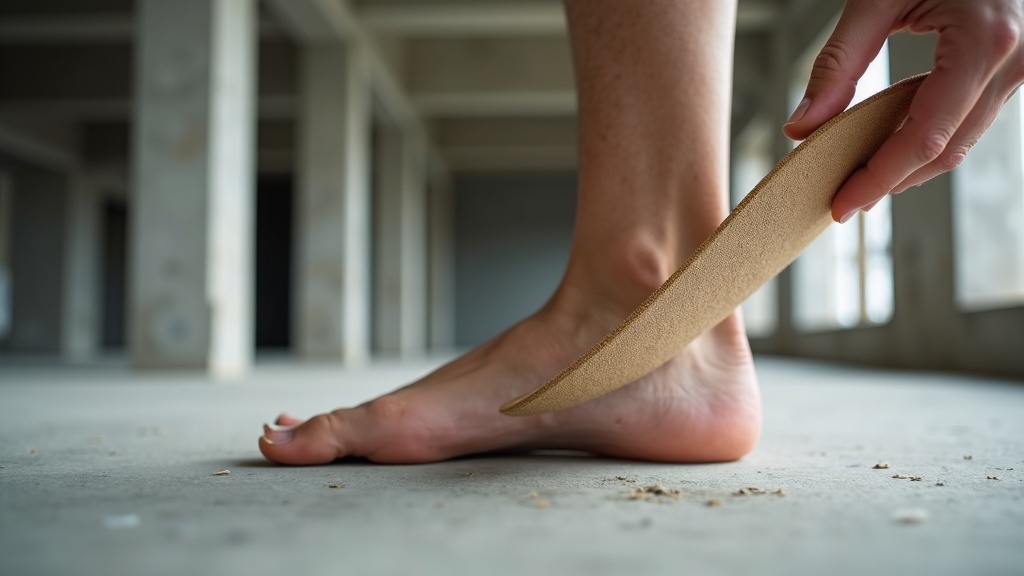
Pick a slim insole with a firm arch. If it's still too thick after removing the factory liner, a thinner insole plus a small metatarsal pad at the forefoot gives support without crowding the toes.
Should You Even Bother Wearing Insoles in Work Boots?
Yes, but not for the reason most guys think. Factory insoles in work boots are foam fillers. They're there so the boot doesn't feel hollow out of the box. They flatten quickly with daily wear.
Aftermarket insoles give you actual structure. Over a ten-hour day, that structure is the difference between walking to the truck normally or limping. Your knees and lower back feel it too.
How to Make Any Insole Fit a Tight Boot (One Simple Trick Most Skip)
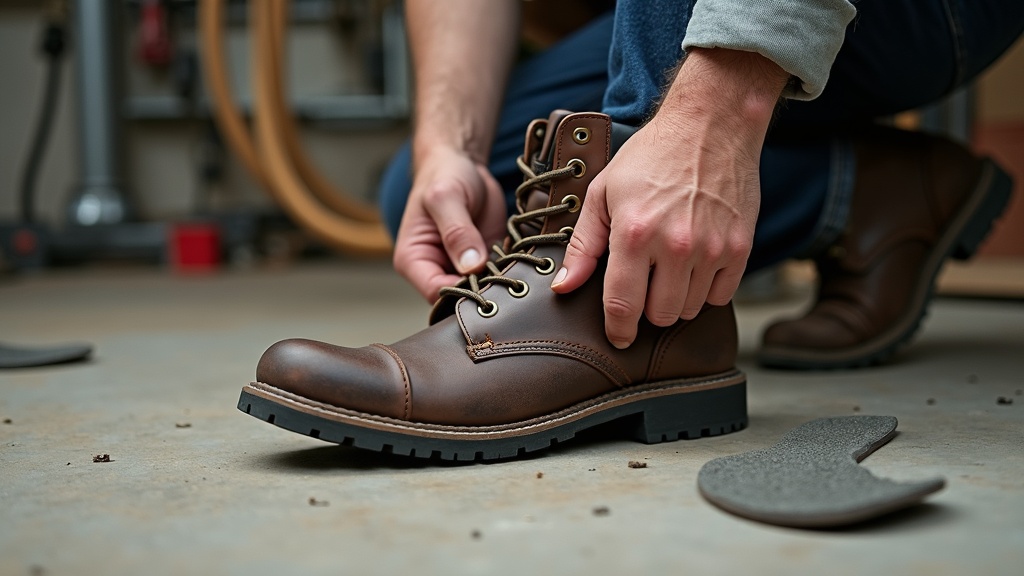
Pull the factory insole out first. That's it. That's the trick. Most guys layer the new insole on top of the factory one and then wonder why their boots feel like a tourniquet.
Once you remove the stock liner, you gain 4 to 6mm of usable depth. That's exactly what a quality low-profile insole needs to sit properly and function the way it was designed to.
- Trace the old insole on the new one and trim to match if needed.
- Use scissors, not a box cutter. Cleaner cut, less chance of a jagged edge that digs in.
- Test with your work sock on before committing to a full day.
Spend Smart, Save Your Feet
A decent insole is one of the cheapest upgrades on a job site, and it lasts months in daily work boot use. Remove the factory liner first, trim to match, and give a firmer insole a few days to settle in before you judge it.
Frequently asked questions
Can I use insoles in narrow steel-toe boots without losing toe room?
Do non-conductive insoles actually improve electrical safety?
How long should a quality work boot insole last?
What's the best insole for plantar fasciitis in a tight work boot?
Should I size up my insole or trim it to fit?
Want more workwear guides like this in your Google results? Add trymasonco.com as a preferred source.
Next, see the best insoles for electricians with plantar fasciitis.
