How to Wash Work Socks Properly: Bamboo & Merino Guide
Cold water, gentle cycle, air dry: the exact steps to wash bamboo and merino work socks without wrecking them shift after shift.
Sock Care GuideWash them right, make them last
You spent real money on bamboo or merino work socks. The last thing you want is to pull them out of the laundry and find a shrunken, pilled, matted mess that belongs in the trash. That happens when you treat them like cheap cotton tube socks, and it doesn't have to.
Short answer: To wash work socks properly, turn them inside out, wash in cool water on a gentle cycle with a wool-safe, enzyme-free detergent, skip fabric softener and air dry them. Heat is what shrinks merino and breaks down bamboo fibers.
This guide covers exactly how to wash work socks properly, whether they're bamboo, merino, or a blend of both. No guesswork, no vague advice. Just what works, shift after shift.
Key points at a glance
Machine washing is fine for bamboo and merino socks, but cold water and a gentle cycle are non-negotiable.
The dryer is where most people wreck good socks. Air dry whenever possible.
Wash after every wear, even when the socks don't smell.
Freshen with a white vinegar rinse, not bleach.
Washing inside-out protects the fiber structure and keeps pilling to a minimum.
Owning 5 to 7 pairs gives your socks time to recover between wears.
What Proper Washing Protects
The fiber structure that keeps cushioning and arch support intact
Moisture-wicking performance that keeps your feet dry on long shifts
Natural odor resistance that bamboo and merino are known for
Longevity: well-cared-for merino socks can last two to three years of hard use
From MASON:Tradesman Socks (crew) and Tradesman Boot Socks (boot height) are made from 56% bamboo lyocell, 38% nylon and 6% spandex, with Cloud Cushioning under the heel and ball of the foot. Compare every pair in the work socks collection.
Why Bamboo Merino Socks Need Different Care Than Cotton
Cotton is basically indestructible in the wash. Crank up the heat, throw it in the dryer on high, no problem. Bamboo and merino wool are different animals.
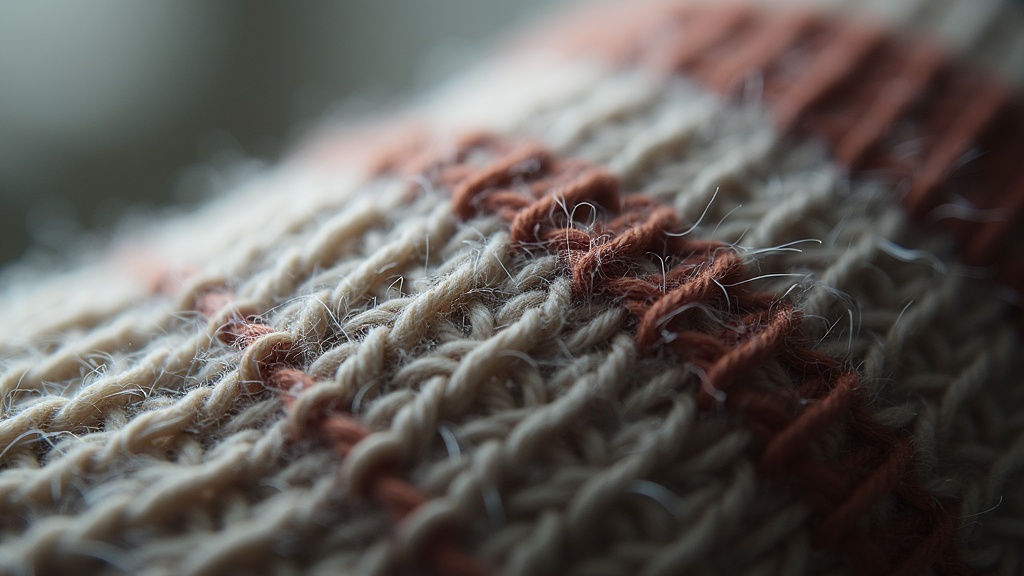
Merino wool fibers have microscopic scales along their length. Heat and agitation cause those scales to interlock and mat together, a process called felting. Once it happens, there's no going back. Bamboo viscose is softer and more delicate than cotton, prone to breaking down under the same rough treatment.
The good news: these fibers were built to perform on your feet. They just need a little respect in the laundry.
Can You Machine Wash Bamboo and Merino Work Socks? (Short Answer: Yes, With Conditions)
Yes, bamboo socks can be machine washed and so can merino. But the conditions matter more than the method.
Use cold water only (60°F / 15°C or below)
Select the delicate or wool cycle on your machine
Use a wool-safe or mild detergent, no enzymes, no fabric softener
Wash socks inside-out to protect the outer surface
Use a mesh laundry bag to prevent snagging and stretching
Fabric softener sounds harmless. It's not. It coats the fibers and kills the moisture-wicking properties you paid for. Skip it every time.
Step-by-Step: How to Machine Wash Your Work Socks Right
Learning how to wash merino wool socks in a washing machine takes about two minutes. Here's the exact process.
Before you load the machine
Turn socks inside-out
Place them in a mesh laundry bag
Keep them away from heavy items like jeans with metal rivets or work jackets
Machine settings
Cycle: Delicate, wool, or hand-wash setting
Water temperature: Cold (30°C / 86°F max for bamboo blends, cold only for pure merino)
Spin speed: Low, under 600 RPM if your machine allows it
Detergent: Wool-safe formula, about half the standard dose
After the cycle
Remove immediately. Don't let them sit wet in the drum. Gently reshape by hand and lay flat or hang to dry away from direct sunlight and heat sources.
Hand Washing When You Need a Quick Turnaround
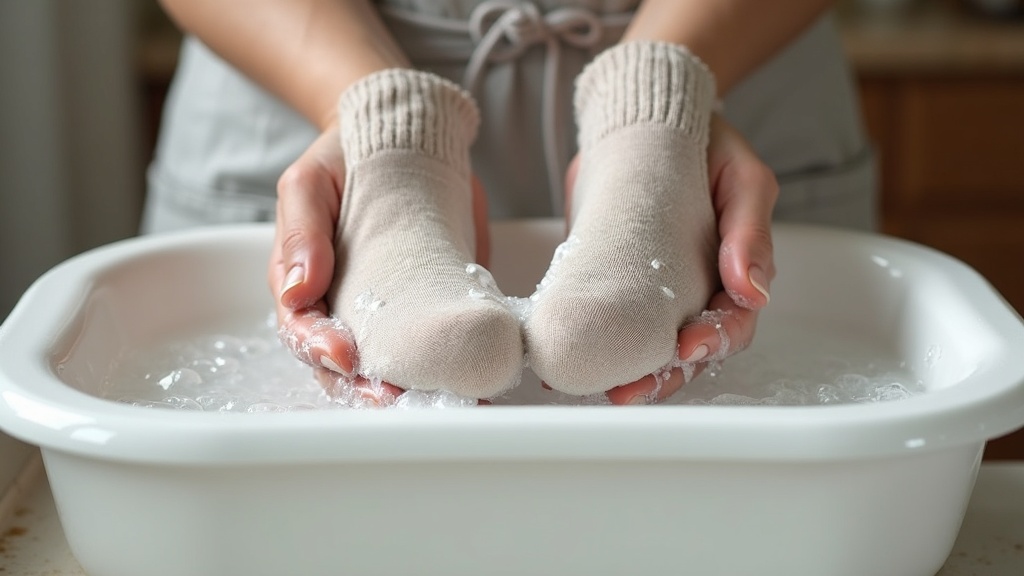
Maybe you're on a rotation with fewer pairs, or you need a specific pair ready for tomorrow's shift. Hand washing is the best way to wash work socks when you need control.
Fill a basin with cool water and a small amount of wool-safe soap
Submerge the socks and gently squeeze the water through, no wringing, no scrubbing
Rinse with clean cool water until soap is gone
Press (don't twist) excess water out against the side of the basin, then roll in a clean towel and press again
Lay flat to dry or hang over a rod
Total active time: about four minutes. They'll be ready to wear in three to four hours in a warm room.
Can you put bamboo work socks in the dryer? Technically yes, once, maybe twice, before they start degrading. The practical answer is no.
Heat is the enemy of both bamboo viscose and merino wool. Even a low heat setting on most residential dryers runs hot enough to shrink merino or break down bamboo fibers over time.
Drying Method
Safe for Bamboo?
Safe for Merino?
Notes
Lay flat, room temp
Yes
Yes
Best option for both
Hang dry, cool air
Yes
Yes (avoid clothespins on cuff)
May slightly stretch merino cuffs
Dryer, no heat / air-only
Acceptable
Acceptable
Use sparingly, check your machine actually runs cool
Dryer, low heat
Risky
No
Felting and shrinkage start here
Dryer, medium/high heat
No
No
Will damage both fabrics quickly
Direct sunlight
Avoid
Avoid
UV degrades fibers and fades color
If you're running three pairs and can't wait overnight, a small fan pointed at your socks laid flat will cut dry time to under two hours.
How Often Should You Wash Work Socks (And How Many Pairs Do You Actually Need)
Wash work socks after every wear. Wool absorbs odor and releases it in the wash, according to The Woolmark Company, but the NHS advises not wearing the same socks two days in a row if smelly feet are a problem.
That holds for desk days too: a clean pair every day keeps sweat and bacteria from building up in the fabric.
On how many pairs to own: five to seven pairs is the sweet spot. That gives you a full work week, lets each pair fully dry between wears, and spreads the wear cycles so no single pair takes all the punishment.
How to Disinfect Without Wrecking the Fibers
After a particularly rough shift, a jobsite with standing water, or any situation where your boots got soaked, you want more than a regular wash. Here's how to disinfect wool socks without bleach.
White vinegar rinse
Add half a cup of white distilled vinegar to your rinse cycle or soak basin. It helps break down odor. It does not damage merino or bamboo fibers at this concentration, and the smell rinses out completely.
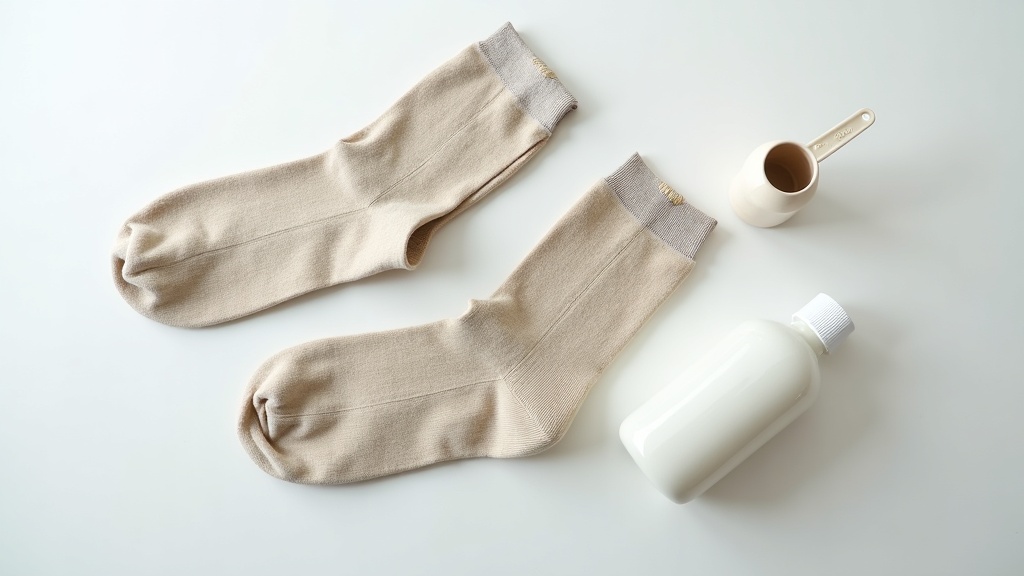
Wool-safe wash: a detergent made for wool cleans without stripping the fiber.
What to absolutely avoid
Bleach: destroys both wool protein and bamboo cellulose on contact
OxiClean or enzyme-based cleaners: enzymes digest protein fibers, meaning they digest merino wool
Hot water soak: even 15 minutes in hot water will start to felt merino
Wool-safe detergent is a small investment that pays back in sock lifespan.
Common Mistakes That Trash Good Socks Fast
Most guys don't ruin their work socks through neglect. They ruin them through a handful of specific habits.
Washing on hot: the single most common cause of shrunken, matted socks
Leaving them in the washer: sitting wet accelerates fiber breakdown and mildew
Tumble drying on heat: once felted, the padding is gone permanently
Using regular detergent with enzymes: check the label, most mainstream detergents contain them
Storing damp: bamboo and merino resist odor but they're not immune to mold when stored wet
Bunching in a ball: it stresses the elastic fibers in the cuff and speeds up sagging
Caring for Bamboo-Blend Work Socks
MASON, the work sock brand, makes Tradesman Socks (8 in) and Tradesman Boot Socks (13 in) from 56% bamboo lyocell, 38% nylon and 6% spandex, with Cloud Cushioning under the heel and ball of the foot and an Arch Strap that stops the sock bunching. Blends like this hold up better in the wash than pure bamboo or pure merino, because the nylon reinforces the fabric and the spandex keeps the shape. They still last longest with a cool wash, no fabric softener and air drying. MASON sock packs make it easy to keep a clean pair for every shift.
The Bottom Line on Keeping Your Work Socks Going Shift After Shift
Good bamboo merino work socks cost more than a three-pack of cotton. That's the trade you make for socks that actually protect your feet over a long shift, manage moisture, and don't stink by noon. Washing them right is the only thing standing between that investment and the trash can.
Cold water. Gentle cycle. Wool-safe detergent. Air dry. That's the whole system. It takes no extra time once it's habit, and it keeps your socks performing the way they were built to perform.
Frequently asked questions
Can bamboo socks be machine washed every week?
Yes, bamboo work socks handle regular machine washing well as long as you use cold water and a gentle cycle. The key is avoiding heat and high-spin agitation, both of which break down bamboo viscose fibers faster than the wear itself.
Can you put bamboo work socks in the dryer?
An air-only or no-heat dryer setting is acceptable occasionally, but consistent heat drying will shorten the life of bamboo socks noticeably. Laying them flat or hanging to dry at room temperature is always the better call.
How do you wash wool blend work socks without shrinking them?
Cold water and a wool or delicate machine cycle are your two non-negotiables. Wool blends shrink because heat causes the wool fibers to felt and lock together. Keep the water cold and the agitation low and you'll avoid that entirely.
How often should you wash wool socks?
Wash wool socks after every wear. Wool stays fresher than cotton, but a clean pair every day is the safer habit in work boots, and it lets each pair dry fully between wears.
What detergent works best for merino wool work socks?
Use a wool-safe detergent that's enzyme-free and fragrance-light. Standard laundry detergents often contain enzymes that gradually break down wool protein over repeated washes. Skip fabric softener.
How do you get the smell out of merino wool work socks without damaging them?
A 30-minute soak in cool water with half a cup of white distilled vinegar handles most persistent odors without harming the fiber. Then wash as normal in cool water. Skip bleach and hot water entirely.
How do you wash merino wool socks without ruining them?
Wash merino socks inside out in cool water on a wool or delicate cycle with a wool-safe detergent, then lay them flat to dry. Heat and rough agitation make wool felt and shrink, and that can't be undone.
How do you wash MASON bamboo work socks?
Wash MASON bamboo-blend work socks inside out in cool water on a gentle cycle, skip fabric softener and air dry them. Check the care label on the pair you buy.
Want more workwear guides like this in your Google results? Add trymasonco.com as a preferred source.